PRACTICAL PLUMBING READING
Getting Found Locally: A Practical Guide for Plumbing, Drainage and Heating Businesses
Help local customers understand what you do and how to contact you. Use this practical guide to prepare an accurate Trade Register profile, explain your coverage and turn enquiries into useful conversations.
Practical editorial guidance for trade businesses, based on the linked provider information. No customer results or trade credentials are claimed.
Make the right business easy to find
Name your actual services, define the area you cover and provide working contact details. Add genuine work photographs and accurate credentials, choose a suitable directory category and track enquiries that fit your business. Trade Register offers free standard listings, with suitability review; visibility does not guarantee bookings.
Describe the services a customer is actually looking for
A homeowner with a blocked kitchen sink is looking for a different service from someone planning a heating-system clean. Help them recognise the right business by naming the work you genuinely offer: tap and toilet repairs, leak investigation, drain unblocking, CCTV drain surveys, heating maintenance or power flushing, as appropriate.
Avoid a long list of services added only for search visibility. Explain any limits, such as domestic work only, planned appointments rather than emergency attendance, or surveys rather than excavation. A clear description can reduce enquiries you cannot fulfil and make the useful ones easier to assess.
For power flushing, describe your assessment process instead of claiming every cold radiator needs the same treatment. A business profile should explain what customers can ask you to investigate, without diagnosing a system from a few symptoms or promising a cure before inspection.
Make the service area and availability unambiguous
List the towns and surrounding areas you can realistically serve. Consider travelling time, equipment and the jobs you want to book. A drainage company carrying specialist equipment may have different coverage from a plumber arranging small repairs between existing appointments.
State normal contact hours and whether out-of-hours attendance is actually offered. Do not use emergency or 24-hour wording if callers will simply reach an unattended inbox. If availability varies, invite customers to call to confirm rather than presenting an unqualified promise.
Keep the business name, phone number and website consistent across profiles. For an eligible Google Business Profile, follow Google's rules for service-area businesses, including its guidance on hiding a residential address when customers are not served there. Do not create fictitious branches or add town names to a business name that does not use them in real life.
Use a relevant Trade Register listing
Trade Register is a UK home-services directory organised by trade, county and town. Its published guidance says standard listings are free and customers contact the business directly by phone, website or email. The directory does not take a commission on the job. A listing can include a description, services, contact information and a photograph or logo.
Its current submission form includes Plumber and Heating Engineer categories. Select the available category that accurately represents your work. A drainage specialist should describe its drainage services clearly and ask the directory about suitability if no category fits, rather than selecting an unrelated trade merely to get listed.
Prepare the profile, check the current submission requirements and submit the real business details. Listings are reviewed for suitability. This is an additional place for customers to discover your business, not professional accreditation, a guarantee of bookings or a promise of search rankings.
Complete this profile checklist before submitting
Check these eight items: real business name; appropriate trade category; accurate county and town; clear service area; working phone number and email; useful website destination; specific service description; and a genuine photograph or logo you have permission to use.
An illustrative service description might be: "Domestic plumbing repairs and planned radiator maintenance in our stated local area. Tell us your postcode, the problem and when it started so we can discuss the next step." This is a writing example, not a claim about an existing company. Replace it with your actual services, coverage and contact arrangements.
Check every link on a phone and read the profile as a prospective customer. Can they tell whether you handle their problem and how to reach you? Avoid copied descriptions, keyword repetition and claims such as approved, certified or guaranteed unless they are accurate, relevant and supported.
Show genuine work and explain credentials accurately
Use your own clear photographs to show the type of work you carry out. Useful examples might show a completed installation, inspection equipment or a tidy work area. Add context about what the picture demonstrates, without revealing a customer's address or other personal information. Obtain permission where needed and do not present stock or generated images as your completed jobs.
List qualifications, registrations and memberships only when they apply and can be checked. Plumbing, drainage and heating cover different activities; a directory category is not permission to undertake specialist work. Make the scope of your services and credentials clear rather than relying on a badge that a customer may misunderstand.
Use genuine customer feedback and avoid invented testimonials or before-and-after results. Trade Register's suitability review does not verify every technical claim or endorse workmanship. Give customers enough accurate information to decide what further checks or questions they need.
Help an enquiry become a useful conversation
Tell visitors what to include when requesting help: postcode, type of problem, when it started, access arrangements and a contact number. A photograph can help explain a visible issue when it can be taken safely, but do not ask someone to dismantle equipment or enter an unsafe area to produce one.
For drainage, ask whether the issue affects one fixture or several and whether it is recurring. For heating, ask what symptoms the customer has noticed and whether they are seeking an assessment or have already been advised to arrange cleaning. Use the information to organise the next conversation, not to promise a diagnosis remotely.
Explain how you arrange assessment and quotation, including any applicable call-out or inspection charge before the customer commits. Respond within a timeframe you can maintain. An accurate profile and a reliable response process work together; extra exposure has limited value when suitable enquiries are missed.
Measure suitable enquiries and keep the listing current
Keep a short enquiry log: date, source, service requested, area, whether the job fits, quotation outcome and whether work was booked. Ask customers how they found you and keep unknown sources marked unknown. A visitor may see a directory profile and later search for your name, so attribution will not always be exact.
Review enquiry quality as well as quantity. Five local requests for work you offer may be more useful than twenty calls outside your coverage. These are illustrative numbers, not claimed results from Trade Register. Consider capacity, completed jobs and the cost of delivering the work before deciding whether paid promotion is worthwhile.
Update the listing after changes to your phone number, website, services or coverage. Trade Register describes an emailed edit-link process; follow its current instructions. If considering a paid listing option, read the placement, billing and renewal terms and set a capped test budget. Neither free nor paid visibility guarantees work.
FAQ: Can plumbing businesses register for free?
Trade Register's current guidance says standard listings are free and stay free. Its submission form includes a Plumber category. Submit accurate details and check the current requirements and suitability review process. A free listing still takes some time to prepare and keep up to date.
FAQ: Can a drainage company use Trade Register?
Check whether an available category accurately fits your business and describe the drainage services you actually offer. The form checked for this article does not show a separate Drainage category. Ask the directory about suitability if you are unsure; do not assume a dedicated category or guaranteed acceptance.
FAQ: Will a listing improve my Google rankings?
A useful listing gives customers another way to find business information, but there is no guaranteed ranking improvement. Trade Register explicitly does not guarantee search rankings. Focus on accurate services, local relevance and genuine customer usefulness rather than treating a directory link as a shortcut to a search position.
FAQ: Does being listed mean my company is accredited?
No. Directory suitability review is different from a professional qualification, registration or independent assessment of workmanship. Trade Register says listings are not endorsements or accreditation. Describe your real credentials separately and make any relevant checks easy for customers.
FAQ: What should I do after my listing goes live?
Check the public details, test your contact links without sending unnecessary enquiries, and confirm the service area and description are correct. Track how suitable customers find you and keep the profile current. Consider any paid upgrade only after reviewing its terms, your capacity and how you will measure useful outcomes.
Sources and editorial notes
Researched 7 October 2026. Directory features and available categories were checked against Trade Register's own pages. Examples are illustrative, not actual businesses or measured results. Listings are not accreditation or endorsements, and no enquiries or search rankings are guaranteed. Check current provider requirements before submitting.
View dated sources and image rights
- Trade Register: how listings work · researched 2026-10-07
- Trade Register: current submission form and categories · researched 2026-10-07
- Google: guidelines for representing your business · researched 2026-10-07
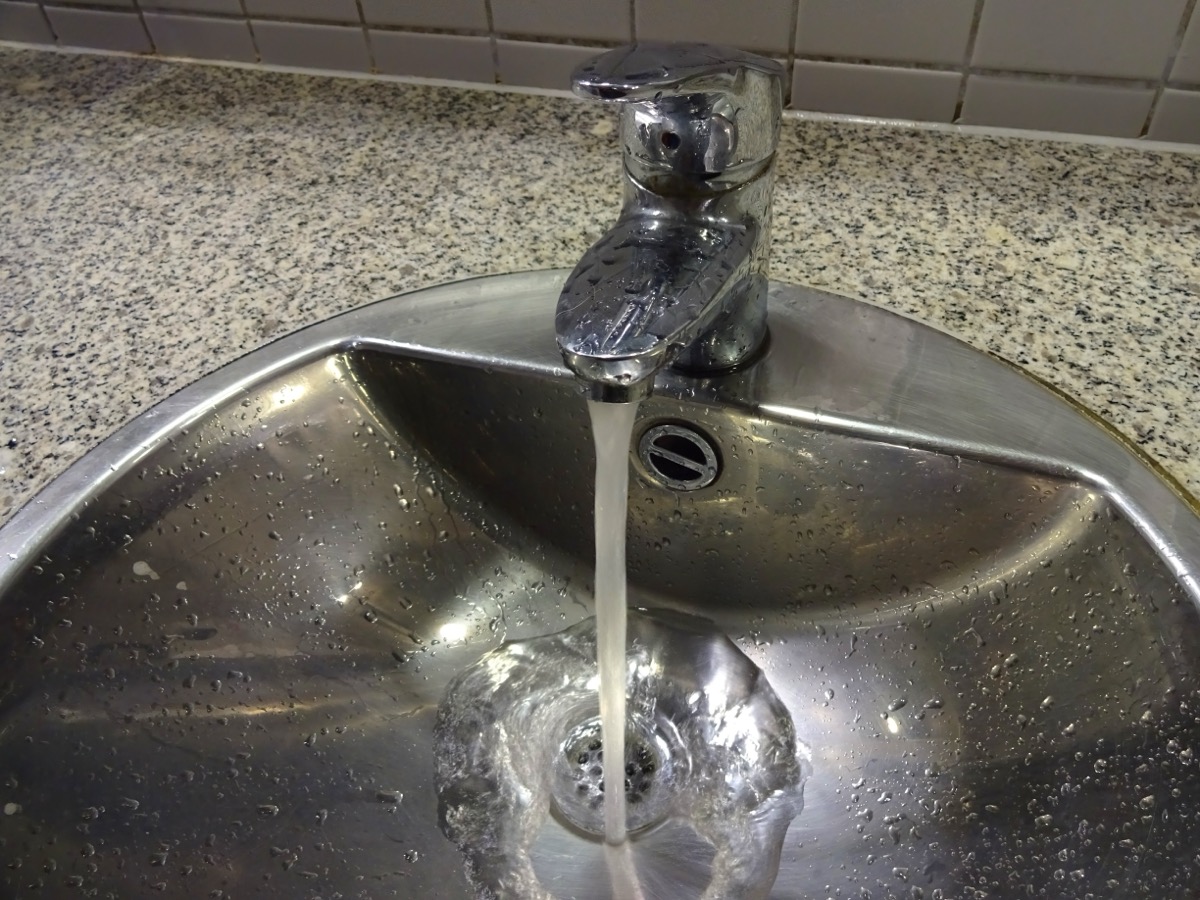
Image: Benreis / Wikimedia Commons. Original and rights information. CC BY 3.0. Optimised for web display; the layout may crop its visible area.