PRACTICAL PLUMBING READING
10 Common Plumbing Problems Homeowners Face
A drip, a slow drain or a cold radiator can point to very different faults. Use this homeowner checklist to describe the problem clearly, make safe observations and decide who to contact. These are ten common problems, not a statistical ranking or a remote diagnosis.
An independently prepared homeowner guide, researched using the dated sources below.
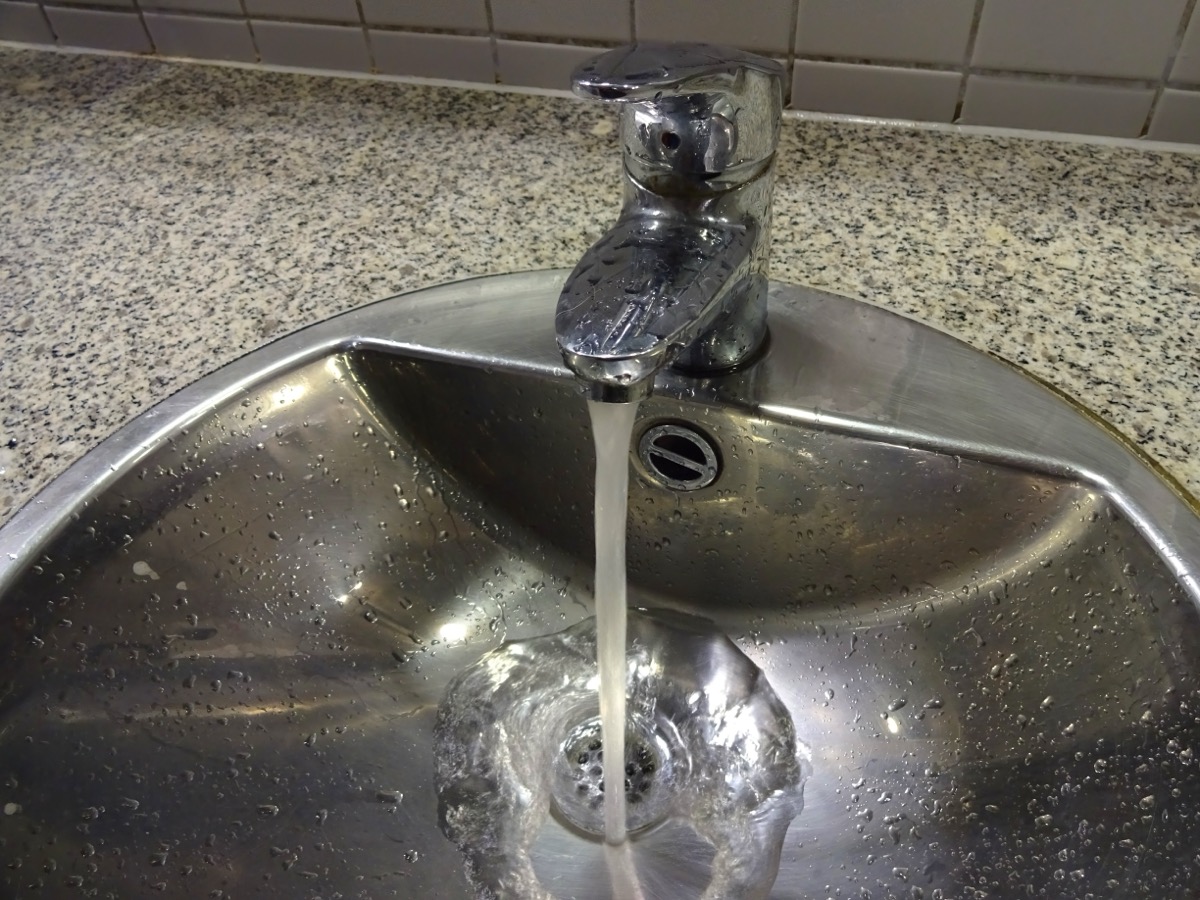
Active leak or sewage backing up? Deal with that first.
For an uncontrolled water leak, turn off the supply at the internal stop tap if you can reach and operate it safely. Do not force a seized valve. Arrange urgent plumbing help rather than continuing to use the affected fitting.
Keep clear of wet electrical equipment and exposed wiring. Electrical equipment affected by flooding needs a registered electrician to assess it before use. If sewage enters the home, keep children and pets away from the affected area and contact the relevant drainage service or water company. Do not use this website's contact form for an emergency.
1. Dripping taps
What you may notice: water keeps falling from the spout after the tap is turned off, or a damp patch develops around its base. Note which part is wet; a spout drip and a leak beneath the tap are different observations.
Possible causes include a worn washer or cartridge, debris or limescale affecting the seal. The part required depends on the tap design. Turning the handle harder is not a diagnosis or a substitute for finding the correct repair.
A useful first step is to photograph the tap and identify its make or model, if visible. Ask a plumber what they propose to repair and whether access or replacement parts affect the price. Do not dismantle a fitting unless you can safely isolate its supply and know the appropriate procedure.
2. A toilet that keeps running
What you may notice: a quiet trickle into the pan between flushes, frequent refilling or a cistern that never seems to settle. A toilet can leak internally without leaving an obvious puddle on the floor.
WaterSafe identifies faults with the fill valve, flush valve and overflow arrangement as possible causes. Record whether the sound begins after every flush or appears intermittently, and whether the water level returns to normal.
Arrange a repair rather than accepting continual running as normal. Give the plumber the cistern or toilet model and explain how accessible it is. Ask whether the quote includes the required valve or seal; parts and access can differ considerably between designs. An inaccessible concealed cistern is a reason to seek help, not to pull apart surrounding panels blindly.
3. A blocked kitchen or bathroom sink
What you may notice: water drains slowly, remains in the bowl or returns after apparently clearing. Grease, soap residue and food debris can restrict a waste pipe, but symptoms alone do not locate the blockage.
Stop adding water if the bowl is filling. Check whether the problem is limited to one sink or also affects other fixtures. That simple distinction is useful when arranging assistance. Keep cooking fat and food scraps out of the drain to reduce avoidable build-up.
Tell the plumber if you have already used a drain-cleaning product, including its name. Do not mix cleaning chemicals or open pipework containing them. Repeated blockages, leaks or wastewater returning elsewhere warrant investigation rather than a cycle of repeated chemical treatments.
4. A slow-draining shower or bath
What you may notice: water pools around your feet or the bath takes much longer to empty. Hair and soap residue are common contributors to shower waste blockages.
Remove only easily accessible surface debris from a removable cover where the manufacturer allows it; wear gloves and avoid sharp objects. Do not force a sealed fitting, push improvised wire tools into hidden pipework or keep adding water to a shower that is close to overflowing.
If the problem quickly returns, affects several drains or comes with an unpleasant smell, ask a plumber or drainage specialist to investigate. Explain which fixtures are affected and how long the change has been happening. A clean-looking plughole does not establish that the pipe beyond it is clear.
5. Leaking pipes or connections
What you may notice: a drip beneath a sink, damp around a pipe joint, staining or water appearing where it should not. Water travelling along a surface can make its source difficult to identify.
For an active leak, use the stop-tap guidance above and arrange help. If it is safe, move belongings away and photograph the visible area. Do not touch wet electrical equipment or assume that a towel has dealt with the cause.
Describe where the water first appeared and whether it changes when a particular fitting is used. Avoid cutting into a wall to investigate a suspected hidden leak yourself. If the leak may be on an outside supply pipe, contact your water supplier to establish who is responsible and what support is available.
6. Low water pressure or weak flow
What you may notice: a tap delivers less water than usual, a shower becomes weak or several outlets change at once. Record whether the change is sudden, ongoing or limited to a particular time.
WaterSafe lists leaks, partially closed stop taps, ageing pipework and local supply problems among possible explanations. If the whole property is affected, check your water supplier's current incident information before arranging work inside the home.
Compare the affected outlets without dismantling them, and tell the plumber whether hot and cold supplies behave differently. Do not confuse the boiler pressure gauge with the pressure at a drinking-water tap. If the cause remains unclear, a professional can assess the installation rather than recommending a pump or replacement fitting based only on a weak shower.
7. No hot water
What you may notice: the taps run cold, hot water is intermittent or the usual heating appliance is showing a fault. Establish whether there is a normal cold-water supply and note any displayed fault code exactly.
Use the manufacturer's homeowner instructions for ordinary controls and checks. Worcester Bosch advises checking whether the boiler is on and whether its timings are as expected. Different water-heating systems require different assessment; a generic article cannot diagnose them from the symptom alone.
Do not remove a boiler casing, work on gas components or repeatedly reset a persistent fault. Ask an appropriately qualified engineer to investigate. When booking, provide the appliance make, model, code and whether heating also fails. Those details are more useful than describing every loss of hot water as a boiler replacement job.
8. Cold or unevenly heated radiators
What you may notice: one room stays cool, a radiator has a cold patch or some radiators warm up much later than others. Make a note of which radiators are affected and where the cold area is.
Worcester Bosch explains that a cold upper section can indicate trapped air, while a cold lower section can be associated with sludge or poor circulation. These patterns are clues for an assessment, not proof that every system needs power flushing.
Tell a heating engineer whether the issue followed recent work or develops only when several rooms are calling for heat. Ask what checks justify the proposed remedy and whether cleaning, balancing, a component repair or another intervention is appropriate. Our main power flushing guide explains the questions to ask before paying for system cleaning.
9. Banging, rattling or other noisy pipes
What you may notice: a bang when a tap closes, movement as an appliance operates or recurring vibration. Note the precise trigger rather than describing every noise as the same problem.
WaterSafe identifies loose or poorly secured pipework and faults involving valves or stop taps among possible explanations. A plumber can assess the source and whether pressure changes or a fitting are involved.
A short recording, taken from a safe position, can help you explain an intermittent noise. Do not increase or reduce system pressure blindly or fit a pressure-control device without assessing suitability. Seek advice when a noise is persistent, worsening or accompanied by a leak. Record whether it happens with one fitting, one appliance or throughout the property.
10. An overflowing or repeatedly blocked toilet
What you may notice: the bowl rises instead of clearing, flushes weakly or blocks again soon after being cleared. Stop flushing if the water level is rising; repeated flushing can turn a blockage into an overflow.
A flush mechanism problem or a blockage can produce similar complaints. Tell the specialist whether other drains are also slow, whether sewage is backing up and whether neighbours have problems. Ask your local water company to establish responsibility where a shared drain or public sewer may be involved.
Keep people and pets away from sewage-contaminated areas and arrange prompt assistance. Prevent avoidable blockages by putting wipes, sanitary items and other unsuitable waste in the bin, even where packaging calls a wipe flushable. A blockage that keeps returning deserves diagnosis rather than repeated temporary clearing.
Make the next conversation useful
Before calling, write down five things: the affected fitting, when the problem started, what triggers it, any visible water or fault code, and what you have already tried. Include photographs only where it is safe to take them. This turns a vague complaint into a clearer job description without attempting a diagnosis.
Example message: "The kitchen sink has drained slowly for three days. The bathroom drains normally. There is no visible leak below the sink, and I have not used chemical drain cleaner. Can you assess the cause and explain the call-out charge and likely scope before work starts?" This is an illustrative brief, not a customer testimonial.
For further reading across taps, toilets, drainage and other household plumbing topics, explore the practical guides at Plumber.org.uk. Use an appropriately qualified professional for the work itself, and ask for a written explanation of the proposed repair, what is included and how additional work would be agreed.
Sources and editorial notes
Sources checked 6 October 2026. This is introductory guidance for identifying symptoms and preparing questions, not instructions to dismantle plumbing or gas appliances. A qualified professional must assess the actual installation.
View dated sources and image rights
- WaterSafe: dripping taps · researched 2026-10-06
- WaterSafe: running toilets · researched 2026-10-06
- WaterSafe: sinks that do not drain · researched 2026-10-06
- WaterSafe: shower drain blockages · researched 2026-10-06
- WaterSafe: responding to a leak · researched 2026-10-06
- WaterSafe: low water pressure · researched 2026-10-06
- Worcester Bosch: initial boiler checks · researched 2026-10-06
- Worcester Bosch: unevenly heated radiators · researched 2026-10-06
- WaterSafe: banging pipework · researched 2026-10-06
- WaterSafe: a toilet that flushes poorly · researched 2026-10-06
- Thames Water: blockages and responsibility · researched 2026-10-06
- Thames Water: finding and using an inside stop valve · researched 2026-10-06
- Electrical Safety First: electrical safety after flooding · researched 2026-10-06
- Thames Water: what to do during sewer flooding · researched 2026-10-06
Image: Benreis / Wikimedia Commons. Original and rights information. CC BY 3.0. Optimised for web display; the layout may crop its visible area.