A PRACTICAL GUIDE · INDEPENDENTLY RESEARCHED
Warmer rooms start with the right diagnosis.
Power flushing: costs, warning signs and finding a local specialist. Understand what heating-system cleaning can help with, compare quotations carefully and know what to ask before booking. A practical, independent guide for UK homeowners dealing with slow radiators, uneven warmth or a recommendation to flush their system.
Explore the guide ↓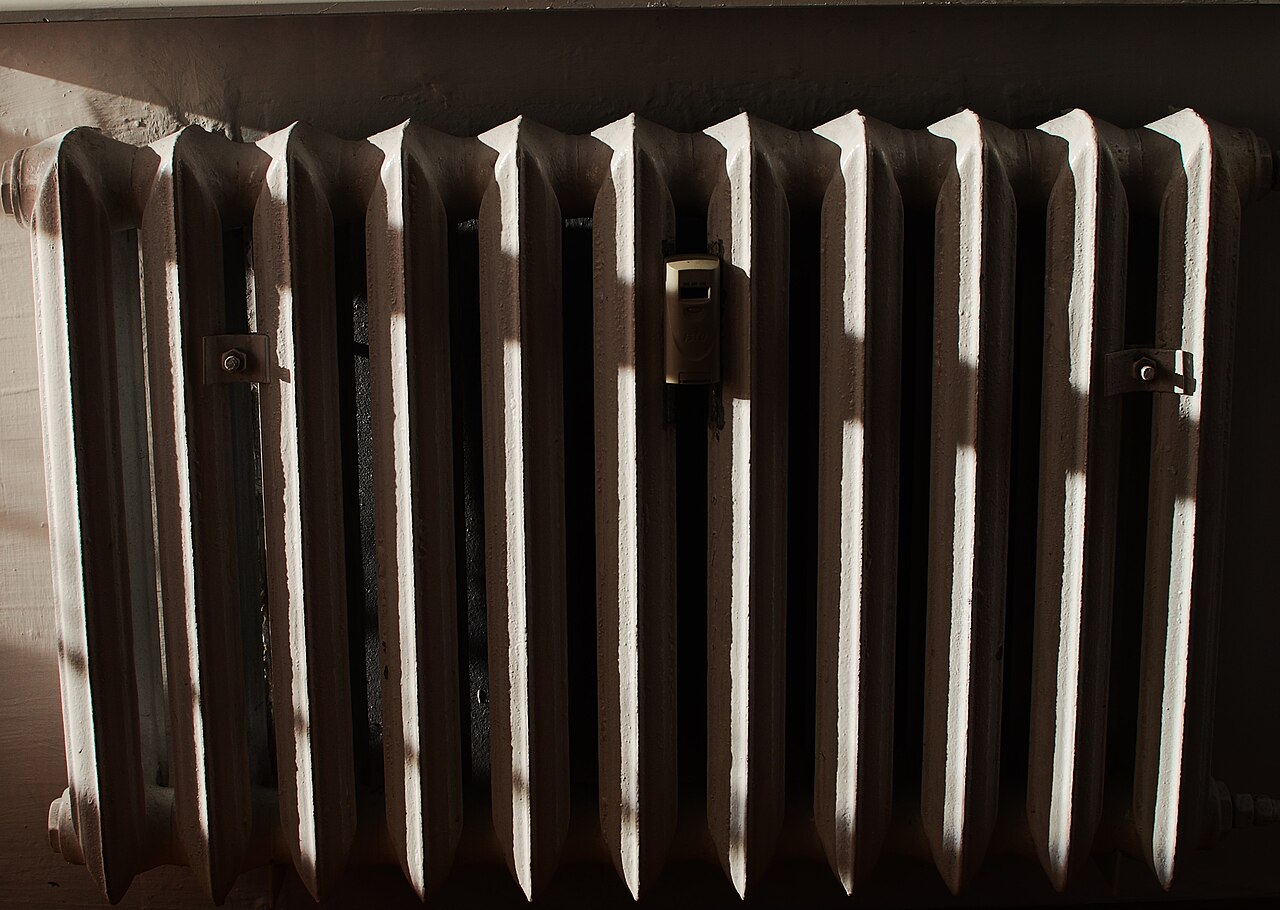
What power flushing does, and what it cannot fix
Power flushing is a specialist cleaning process for a water-based central heating system. An engineer uses a dedicated machine to circulate cleaning fluid and remove contamination. It is intended for the heating circuit, not for unblocking sinks or cleaning drinking-water pipes. Vaillant describes flushing as a way to address debris affecting heating performance.
A useful first question is not 'How quickly can you flush it?' but 'What is causing the problem?' Which? explains that a flush does not repair broken components or resolve pressure loss by itself. An assessment should establish whether cleaning, a repair or a different intervention is appropriate.
This is an independent guide to preparing for that conversation. We do not carry out power flushing, diagnose your system remotely or quote for engineering work. Use the information to ask better questions before commissioning a specialist.
Warning signs worth discussing with an engineer
Vaillant identifies cold patches, slow warming, unusual boiler noise and generally poor heating performance as possible signs that cleaning is needed. These symptoms are reasons to investigate, not proof of sludge. Which? also describes black, sludgy system water and deteriorating circulation as potential clues.
Make a short record before the appointment: which rooms are affected, when the change started and whether it followed other heating work. Note any fault code exactly as it appears and share it with the engineer. Explain whether the whole home is affected or only one radiator. This practical information can help structure the visit without attempting your own diagnosis.
Avoid treating every heating fault as a sales opportunity for a flush. Ask what was checked and what evidence supports the recommendation. If there is an immediate safety concern, obtain urgent professional help rather than waiting for a routine cleaning quote.
Power flushing costs: use examples, then get a written quote
There is no single UK price that fits every system. As checked on 1 October 2026, British Gas advertises starting examples of £460 for a one-bedroom flat and £755 for a three-bedroom house. These are one provider's advertised starting prices, not a national average, a quotation from this website or a price guaranteed for your property. Follow the source for current details.
British Gas says the cost depends on system size and offers an assessment for a fixed-price quote. For your own comparison, describe the number of radiators, property type, boiler details and any known access issues. Ask the specialist to explain how those details affect the proposed work.
Compare the complete scope, not just the cheapest headline. Request clarity on VAT, chemicals, protective measures, any separately charged repairs and what happens if assessment finds that flushing is unsuitable. Keep the diagnosis and proposed work in writing so competing quotations are easier to compare.
A quote checklist that makes comparisons easier
Send each prospective specialist the same brief. Include your postcode, a radiator count, the symptoms and the boiler make or model if you know it. Ask whether they need to inspect the system before committing to a price. A clear brief gives everyone the same starting point.
Ask what is included in cleaning and recommissioning, how the home will be protected and which results will be checked afterwards. Establish whether replacement valves, filters or other parts are optional, included or charged separately. Ask for explanations of unfamiliar line items rather than assuming two differently named services are equivalent.
Confirm payment arrangements, cancellation terms, expected disruption and the contact route for problems after the visit. Keep the written quote and invoice. These are practical purchasing questions, not a prescribed technical specification for every heating system.
Finding a local specialist, with useful places to start
Look for relevant central heating experience and ask how the specialist decides whether power flushing suits a system like yours. Discuss similar work, insurance and the scope of any workmanship guarantee. Recommendations and reviews can be useful leads, but verify the business and the proposed work yourself.
For further reading, visit Plumber.org.uk for practical plumbing guides. To find local help, UK Trade Finder lets you browse tradespeople and contact businesses directly.
If the work includes gas work, use an appropriately qualified Gas Safe registered engineer. HSE explains how to check the engineer using the licence number on their ID card and view their qualifications. A directory listing or logo is not a substitute for that check.
Before the visit and after the work
Agree practical arrangements before the engineer arrives: access to relevant rooms, where equipment can be placed and how long you should expect to be without heating. Mention pets, vulnerable household members and any difficulty moving furniture. Let the specialist explain the preparation they need rather than disconnecting equipment yourself.
Vaillant's overview describes protecting the home, connecting specialist equipment, cleaning the system and refilling it, often with inhibitor. Ask the engineer to explain their plan for your particular installation and how they will check the result.
Afterwards, request a record of what was done, any remaining faults and recommended follow-up. Store it with the boiler paperwork. Ask how to report a problem and what ongoing checks or servicing are appropriate. Follow the system manufacturer's instructions and the engineer's advice, not a generic timetable from a website.
FAQ: How much does a power flush cost in the UK?
Treat advertised prices as a starting point for research. The dated provider examples above illustrate why system size matters, but your own price needs an agreed scope. We do not provide a live price calculator or quotes.
Request a written total and check whether VAT and any extra work are included. Compare at least two suitable providers when circumstances allow, using the same description of your heating problem.
FAQ: Does a cold radiator always need power flushing?
No. A cold or unevenly warming radiator is a symptom to discuss with an engineer, not a diagnosis. Ask what checks support the proposed solution and whether another fault or a simpler intervention could explain it.
Which? notes that broken parts and pressure loss are not fixed by flushing alone. Avoid booking an expensive cleaning process solely because one room feels colder.
FAQ: How long does power flushing take?
British Gas describes a typical appointment as around eight hours, while explaining that the engineer will estimate the time for the assessed job. Treat that as a provider example rather than a guaranteed duration for every system.
Ask when heating will be available again and whether the quotation allows for any additional work. Keep the day flexible until you have the specialist's plan.
FAQ: Is a power flush the same as a chemical flush?
Not necessarily. British Gas distinguishes a chemical flush circulated by the existing system pump from power flushing using a dedicated high-flow, low-pressure pumping machine. The cleaning method should suit the condition and design of the installation.
Ask the specialist to specify which process is proposed and why. A cheaper quote for a differently scoped service is not automatically a like-for-like alternative.
FAQ: Can power flushing damage an old heating system?
Which? warns that underlying weaknesses in an ageing system can lead to leaks during power flushing and that a very old or heavily contaminated system may not be restored by cleaning. Age alone does not let this guide determine suitability.
Ask for an assessment of the risks and alternatives before work starts. Do not hire equipment and attempt a DIY power flush on the strength of an online guide; specialist judgement is part of the service.
FAQ: How long does a power flush last, and how often is one needed?
How long does a power flush last? A power flush is a cleaning treatment, not a component with a fixed expiry date. How long its benefits last depends on whether the system was cleaned effectively, whether corrosion protection is maintained and whether faults that encourage contamination are addressed. There is no single number of years that can be promised for every home. Ask the engineer to explain the condition of your system and the aftercare needed, rather than accepting a guaranteed lifespan without an assessment.
How often should you power flush a heating system? Do not assume a power flush is an annual job or automatically due after a set number of years. Worcester Bosch advises that an installer should assess whether the system needs power flushing. Recurring cold spots, poor circulation or unusual noise warrant investigation, but the diagnosis should establish the cause and appropriate cleaning method before another flush is booked.
What maintenance helps the results last? Worcester Bosch recommends a system filter and suitable inhibitor to help protect heating water from corrosion and debris. Ask your engineer how the filter should be maintained and how inhibitor levels will be checked, particularly after work that drains or refills the system. Follow the appliance and treatment manufacturer's instructions.
Does five-year guidance mean a power flush every five years? No. Fernox's explanation of BS 7593:2019 distinguishes annual inhibitor checks from a five-year laboratory water test or inhibitor re-dosing. Those checks and treatments are not the same as automatically repeating a power flush. If testing identifies a problem, ask the engineer what it shows, which action is justified and whether cleaning, treatment or a repair is needed.
FURTHER READING
Practical plumbing articles
10 Common Plumbing Problems Homeowners Face
A drip, a slow drain or a cold radiator can point to very different faults. Use this homeowner checklist to describe the problem clearly, make safe observations and decide who to contact. These are ten common problems, not a statistical ranking or a remote diagnosis.
Getting Found Locally: A Practical Guide for Plumbing, Drainage and Heating Businesses
Help local customers understand what you do and how to contact you. Use this practical guide to prepare an accurate Trade Register profile, explain your coverage and turn enquiries into useful conversations.
Independent, and open to better information.
This independent guide is an introductory resource, not personalised professional advice or an endorsement by the organisations listed. Links are included to help you find reliable information. No business has paid for an editorial mention in this guide. Know a useful resource, or spotted something that needs correcting? Tell us below.
Research sources and image attribution
- British Gas: power flushing and price examples · researched 2026-10-01
- Vaillant: flushing a central heating system · researched 2026-10-01
- Which?: central heating powerflushing · researched 2026-10-01
- HSE: check a Gas Safe registered engineer · researched 2026-10-01
- Plumber.org.uk: practical plumbing guides · researched 2026-10-01
- UK Trade Finder: local tradespeople · researched 2026-10-01
- Worcester Bosch: cleaning and protecting a heating system · researched 2026-10-02
- Fernox: regular inhibitor and water-quality testing · researched 2026-10-02
- Fernox: the five-year testing or inhibitor re-dosing recommendation · researched 2026-10-02
Photograph: Tarasna0922 / Wikimedia Commons. Original and rights information. CC BY-SA 4.0. Displayed without alteration; the responsive layout may crop its visible area.
MAKE A CONNECTION
Have something
to share?
Send a correction, suggest a useful link or ask about a potential sponsorship.
Your privacy
When you use the contact form, the name, email address, enquiry type and message you provide are used to respond to your enquiry. Your details are not published or sold, and submitting the form does not subscribe you to marketing.
Messages are delivered using an email service. Basic security logs may contain technical information, such as IP addresses, to help protect the site from abuse. To ask about your information or request its correction or deletion, please use the contact form.